| Venue: The Beacon, Wantage, OX12 9BX | Lectures start at 10.45am | Coffee served from 9.45 to 10.30 |
Select the Lecture below – Click again to close : Select images to enlarge
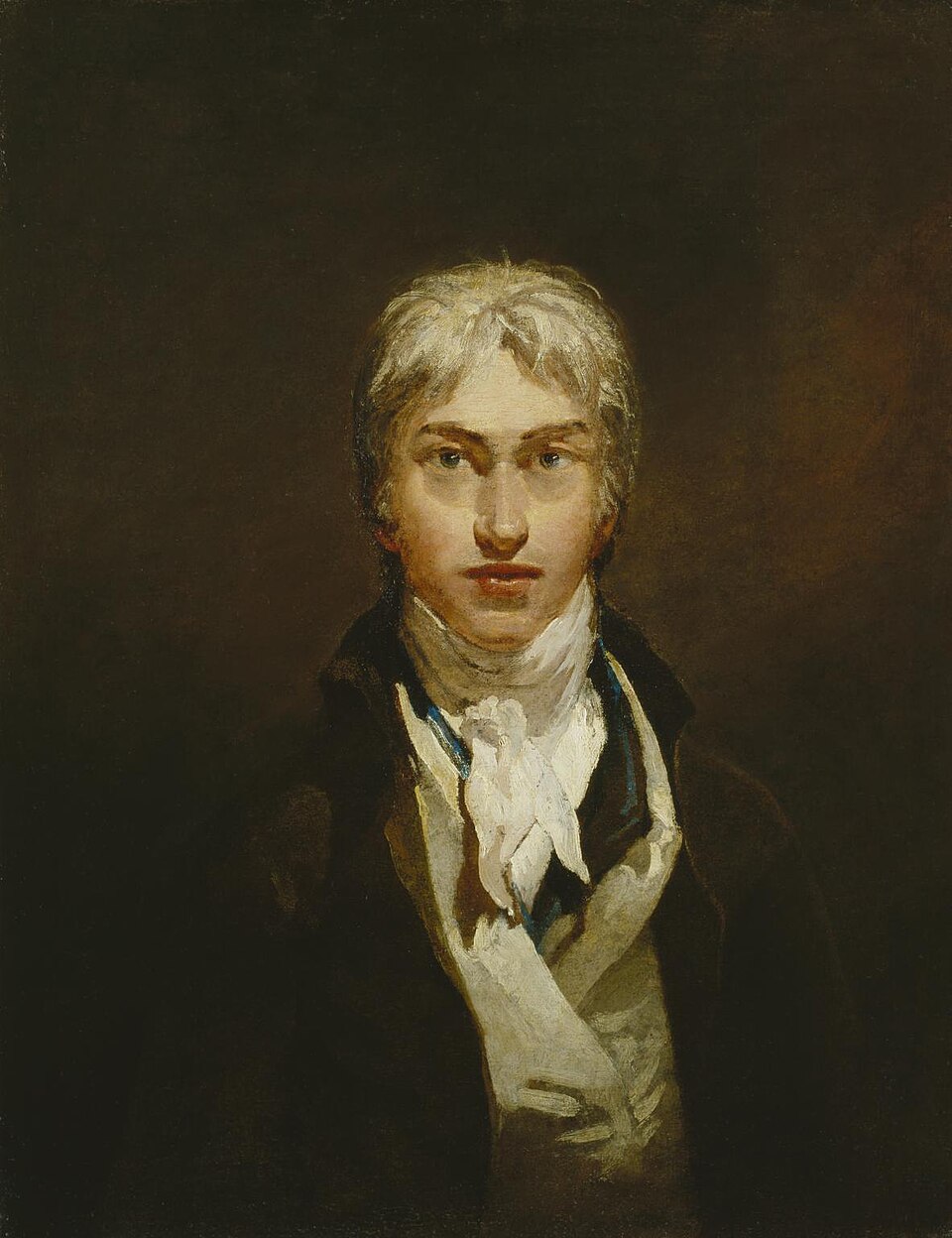
Friday 23 October 2026 – Turner and Constable: Romantic Rivals
Lecturer: Antonia Gatward Cevizli
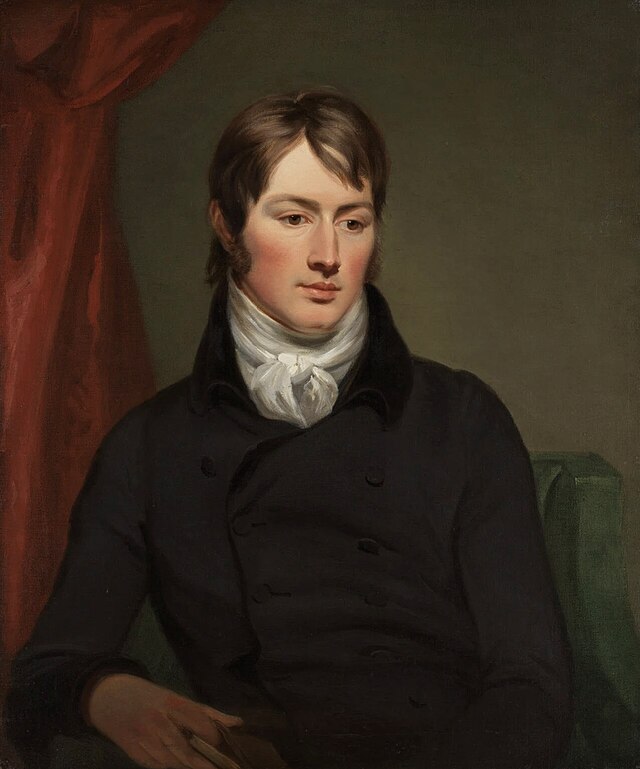
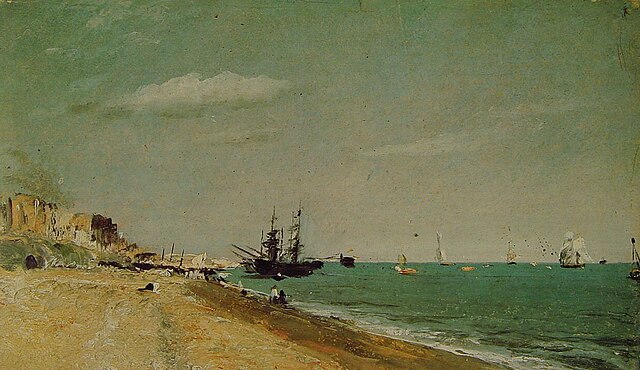
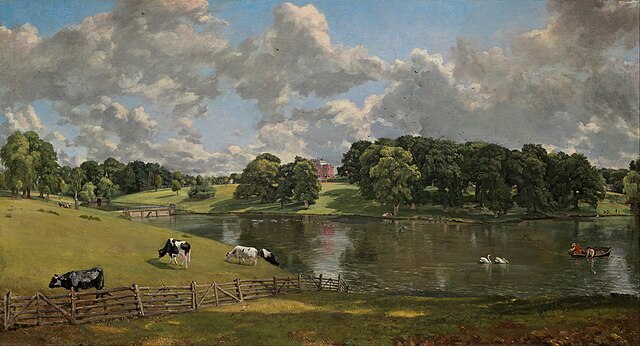
Both artists painted mostly landscapes but had a very different vision of art, each radical in its own way. Their personalities couldn’t be more different: the rough and ready Turner, likened to a ‘dirty farmer’ by Delacroix, was in sharp contrast to the genteel Constable. Their critical reception was also very different: Constable was not elected as a full member of the Royal Academy until he was 52; Turner was just 27. Why was this? This talk will contrast the careers of these great artists with a detailed look at some of their most famous paintings.
Friday 27 November 2026 – Antony Gormley: A Body of Work
Lecturer: Rosalind Whyte
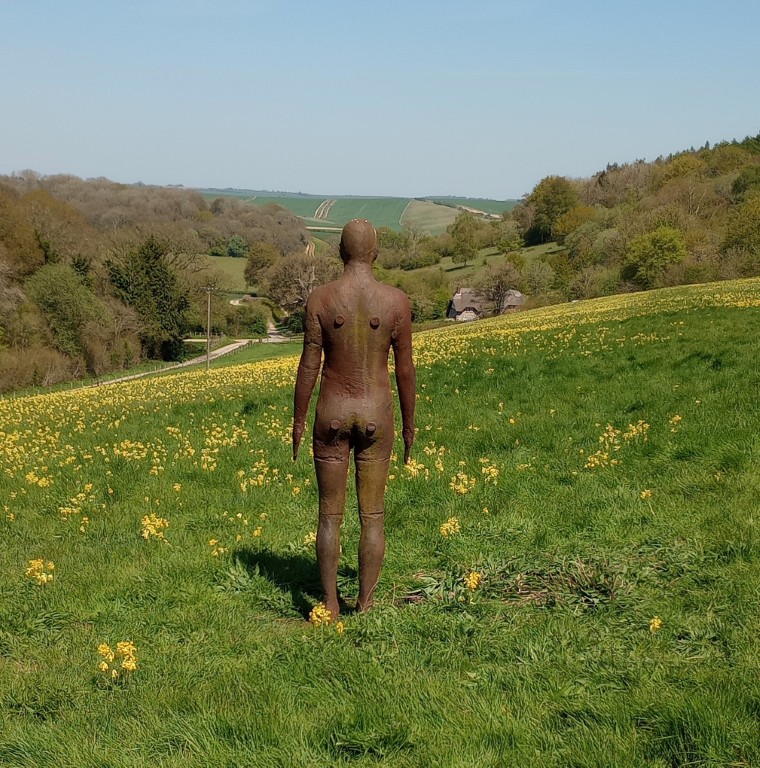
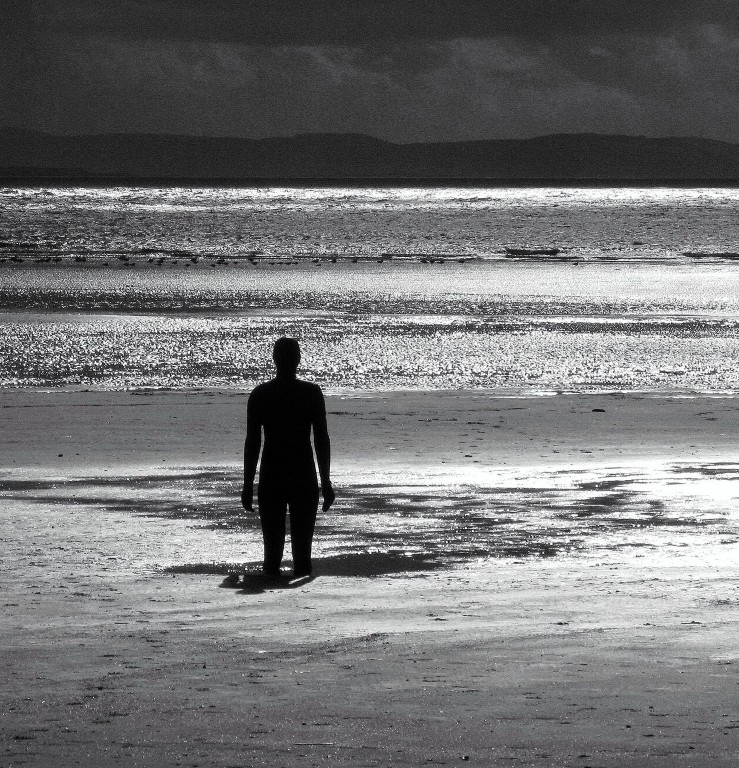
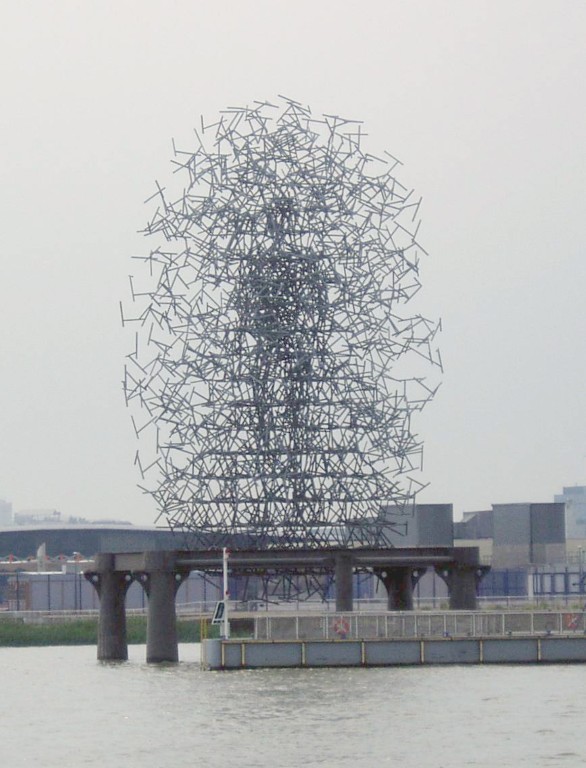
Antony Gormley’s career spans nearly 40 years, during which time he has made sculpture that explores the relationship of the human body to space, often using his own body as his starting point. His work has been shown throughout the world, in galleries including the Tate in London and the Hermitage in St Petersburg, but is also often on open display, as public art, such as Another Place at Crosby Beach, near Liverpool. As well as works that he is well known for, like the iconic Angel of the North, this lecture will look at some of his earlier and less well-known works, to give an overall view of the development of his work across his whole career, up to the present time.
Friday 26 February 2027 – Maria Callas: was it Onassis or a rare disease that stopped her singing career?
Lecturer: Alan Silman
Maria Callas was the original ‘Diva’ and one of the most famous sopranos of all time yet her singing career was cruelly curtailed by an exceptionally rare autoimmune disease. How much was known about this disease at the time, and how likely was it that it really affected her voice, or was it the consequence of the treatment. But she was a very complex personality and strongly influenced by Onassis. In this talk I will discuss her life and works and her evolving health problems, richly illustrated with clips of her singing and speaking; and attempt to answer these questions.

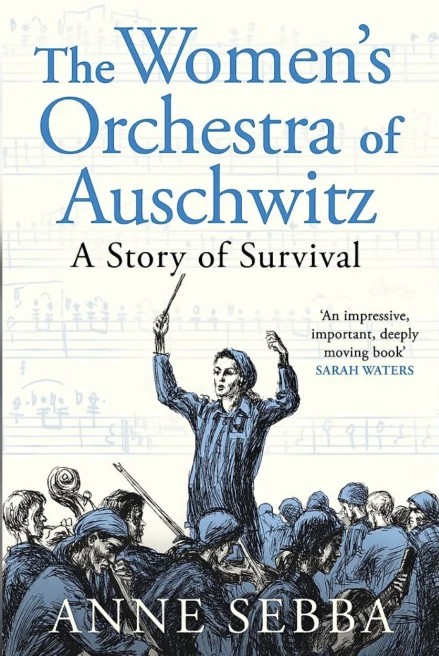
Friday 19 March 2027 – The Women’s Orchestra of Auschwitz: a story of survival and music
Lecturer: Anne Sebba
In 1943, the German SS officers in charge of Auschwitz-Birkenau ordered that an orchestra should be formed among the female prisoners. Forty-seven women and girls were drafted into a hurriedly-assembled band that would play to other inmates as they left each morning and as they returned at the end of the day. They were made to give weekly concerts for Nazi officers, and members were sometimes summoned to give individual performances of an officer’s favourite piece of music. For almost all of the musicians chosen to take part, the orchestra was to save their lives.
Friday 23 April 2027 – The Forensic Eye: find your inner Connoisseur
Lecturer: Chantal Brotherton-Ratcliffe
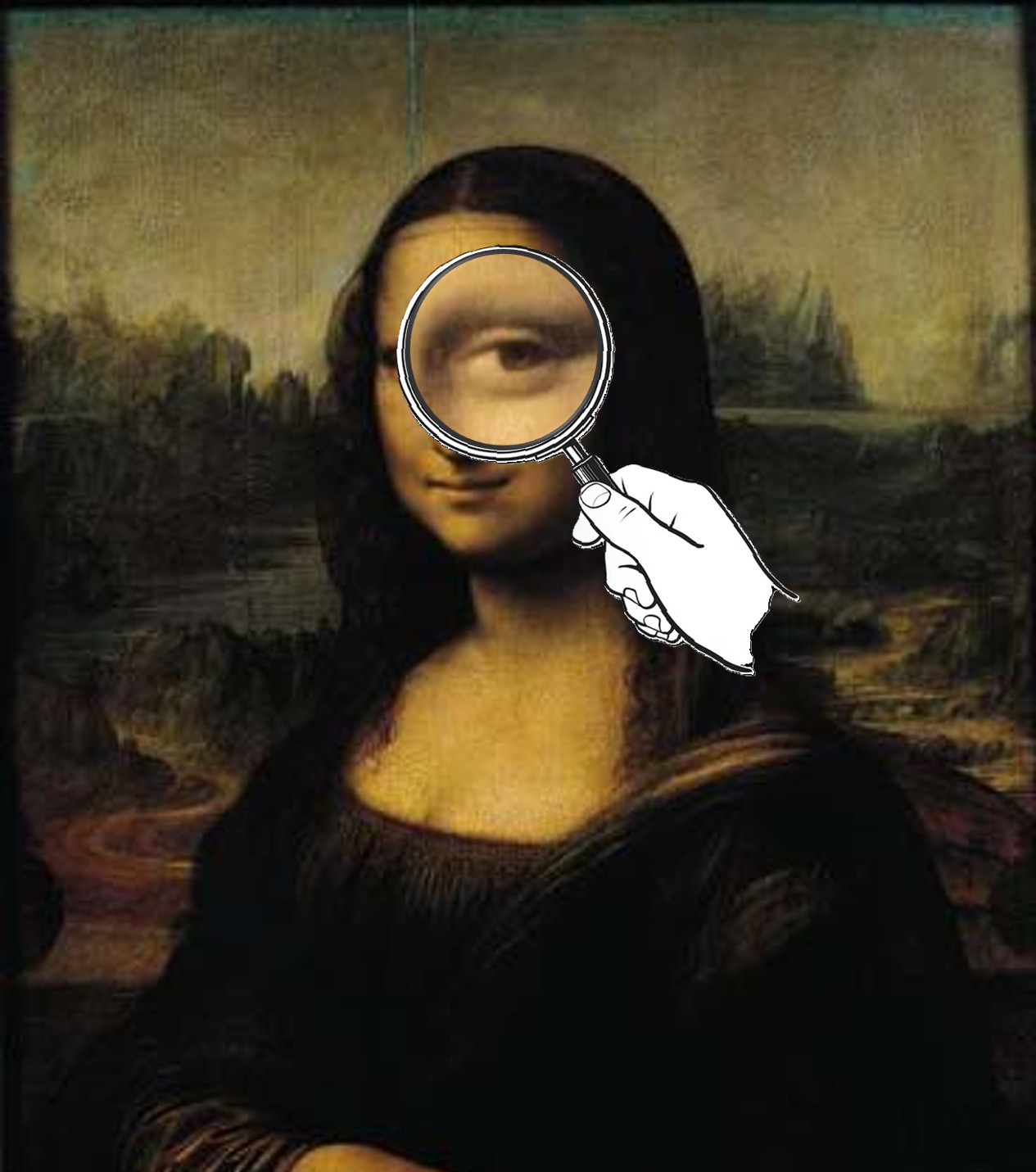
How do dealers, auctioneers and museum staff determine whether a piece is by one painter or another? What role does the signature play, and what are the key clues to look for when deciding who painted the picture? Artists before the 18th century usually worked with a number of assistants around them, who were trained to reproduce the style of the master as closely as possible. How can we study these workshop productions, distinguishing between master and pupil, master and copyists? In this lecture, we consider clues, weigh up their relative usefulness, and learn some of the tricks of the connoisseur.
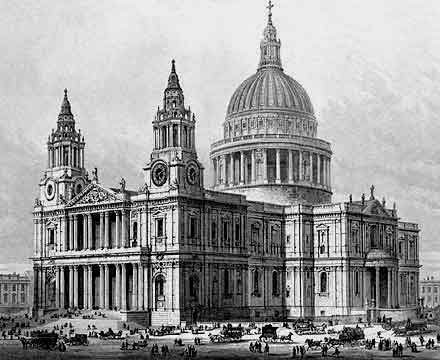
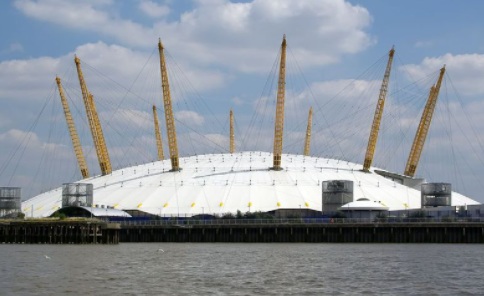
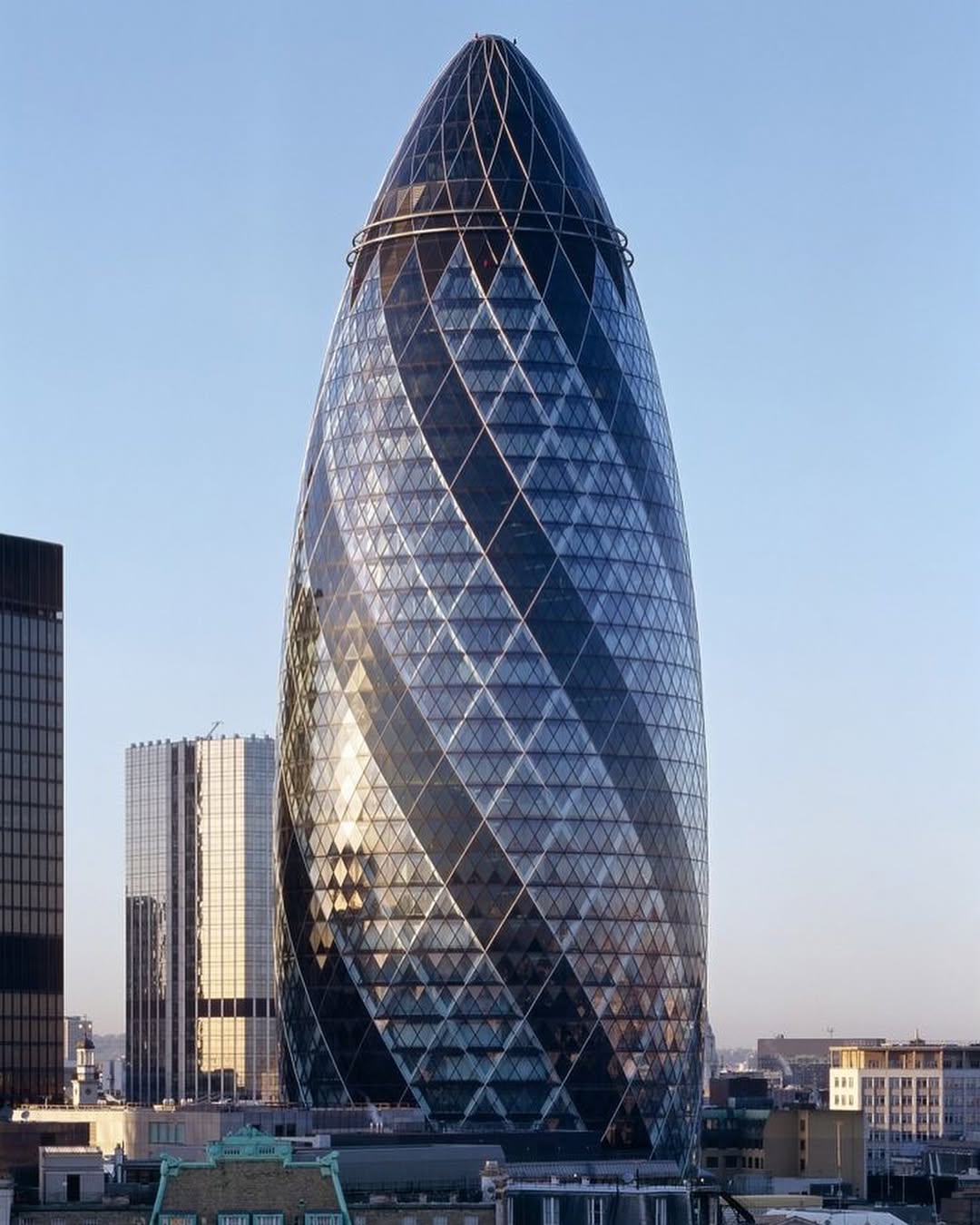
Friday 28 May 2027 – In the footsteps of Wren: the architecture of Norman Foster and Richard Rogers
Lecturer: Brian Stater
Richard Rogers and Norman Foster are the most celebrated British architects of the last 100 years, building around the world in steel, glass and concrete.
When Rogers was awarded the Royal Gold Medal for Architecture the citation observed that he was “the rightful heir to the traditions of Wren”.
And the same could certainly be said of Foster.
The allusion to Wren is startling, but this lecture demonstrates that Wren might very well have recognised Foster and Rogers as kindred spirits.
Friday 25 June 2027 – The Echoing Scream: the Birth of Expressionism
Lecturer: Gavin Plumley
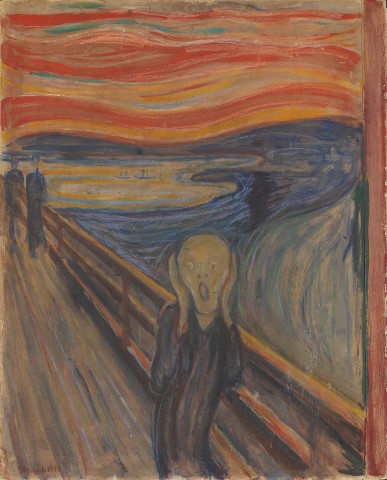
When Edvard Munch created The Scream in 1893, he was responding to an intense emotional experience. Today, we would call it a panic attack. Crippling and anxious making, this primal cry was also a rallying call: for Munch and for the wider world of art. It gave birth to a movement known as expressionism, showing life not at it is (realism) or as it might be perceived in a fleeting moment (impressionism), but as it is experienced within the unembellished core of our being. Explosive and emotive, the aftershocks of Munch’s vision were felt across the world: in art and music, literature, dance and film.
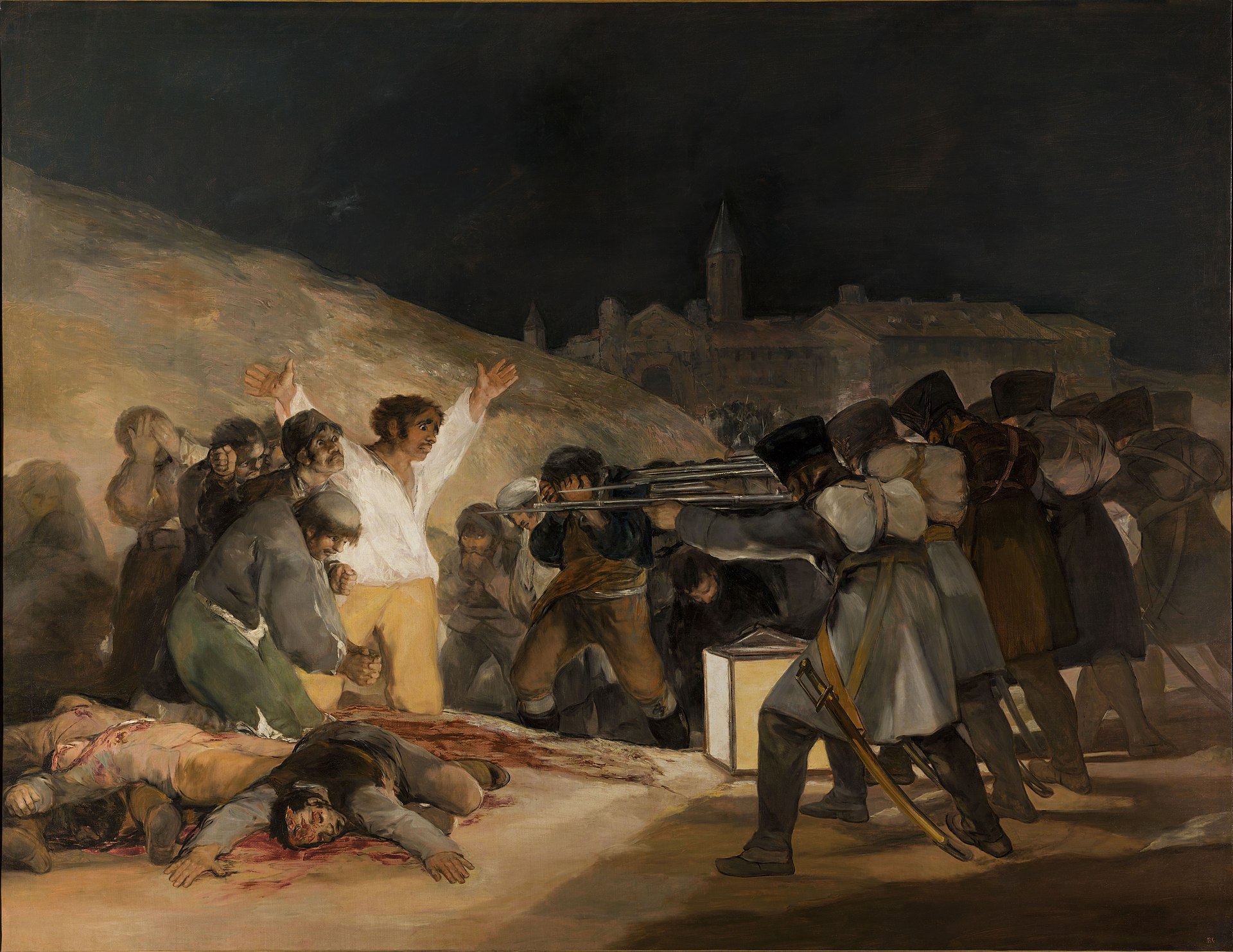
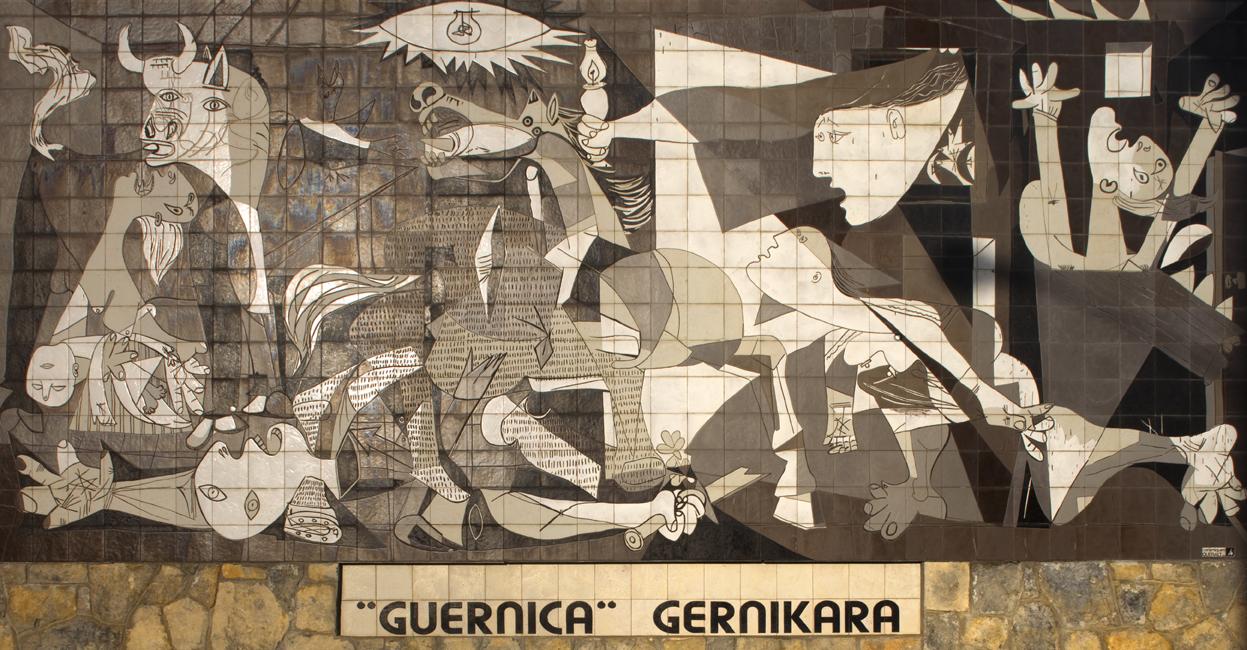
Friday 23 July 2027 – The Art of Spain
Lecturer: Ed Williams
Spain is perhaps most often associated with holidays, a land of sunshine, rioja and a relaxed pace of life, but Spain’s sometimes forgotten tumultuous history gave rise to some of the most astonishing artworks in European history.
These works, often overlooked in favour of those created by Italian and Northern European painters were often ignored, or even dismissed.